The Backstory
I still remember the first time I had a proper American-style pizza. It was one of those noisy evenings where everything felt a little too fast, a little too loud, and somehow the smell of melted cheese, tomato sauce, and warm dough brought the whole room back to life. That first bite was a surprise in the best way: soft yet crisp, rich but not heavy, familiar but exciting. It was the kind of food that does not just fill you up; it settles you. It makes you lean back, smile, and reach for one more slice without even thinking about it.
What I love most about pizza america is that it feels like a celebration of comfort. There is something deeply inviting about the way the dough rises, the sauce simmers, and the cheese melts into golden little pockets on top. In my kitchen, it always creates the same atmosphere: warm air, a soft hum from the oven, and that irresistible aroma of yeast, garlic, and oregano wrapping itself around every corner. It is not a delicate perfume. It is bold, cozy, and impossible to ignore. The kind of smell that makes everyone wander into the kitchen “just to check,” even though we all know exactly what they are waiting for.
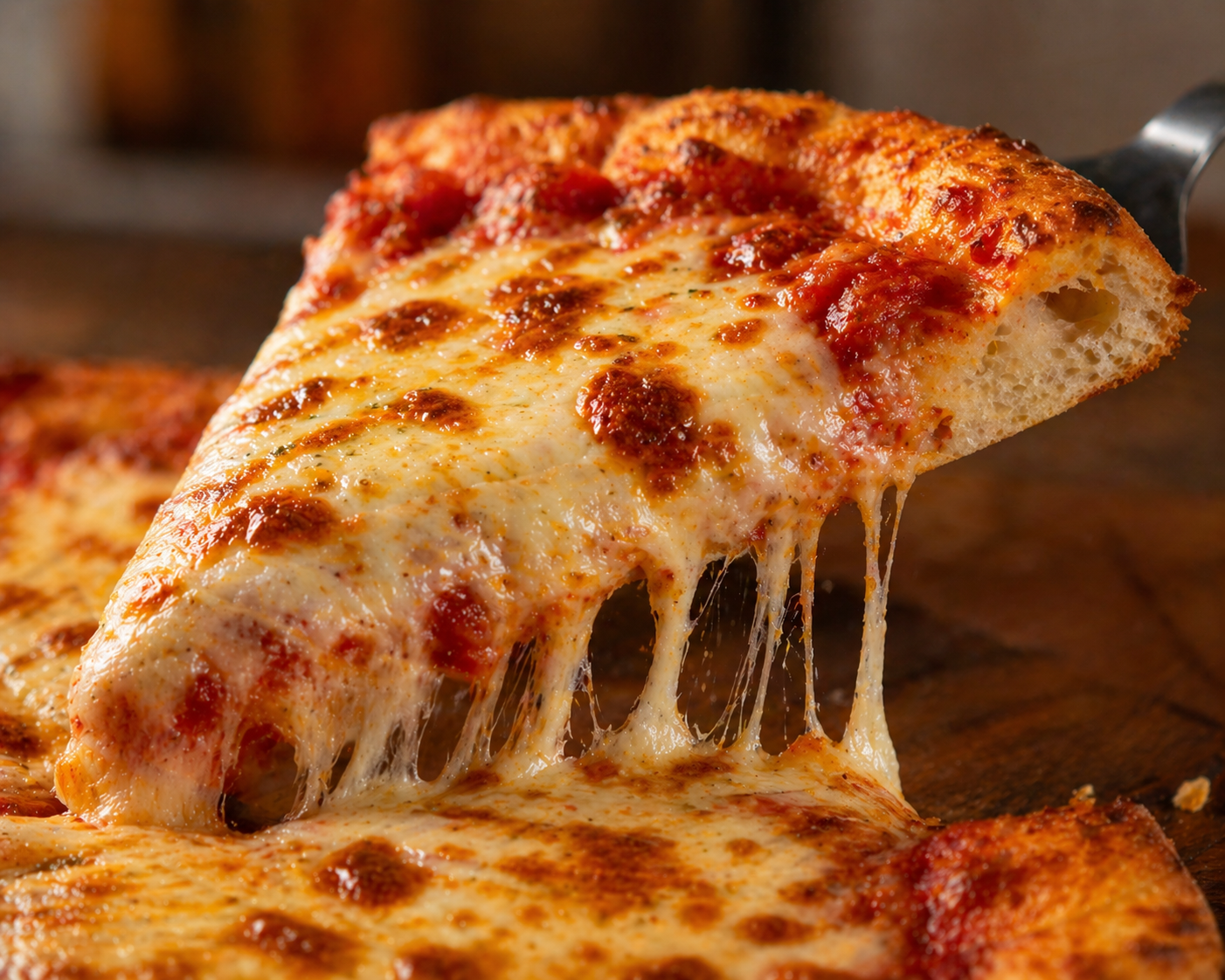
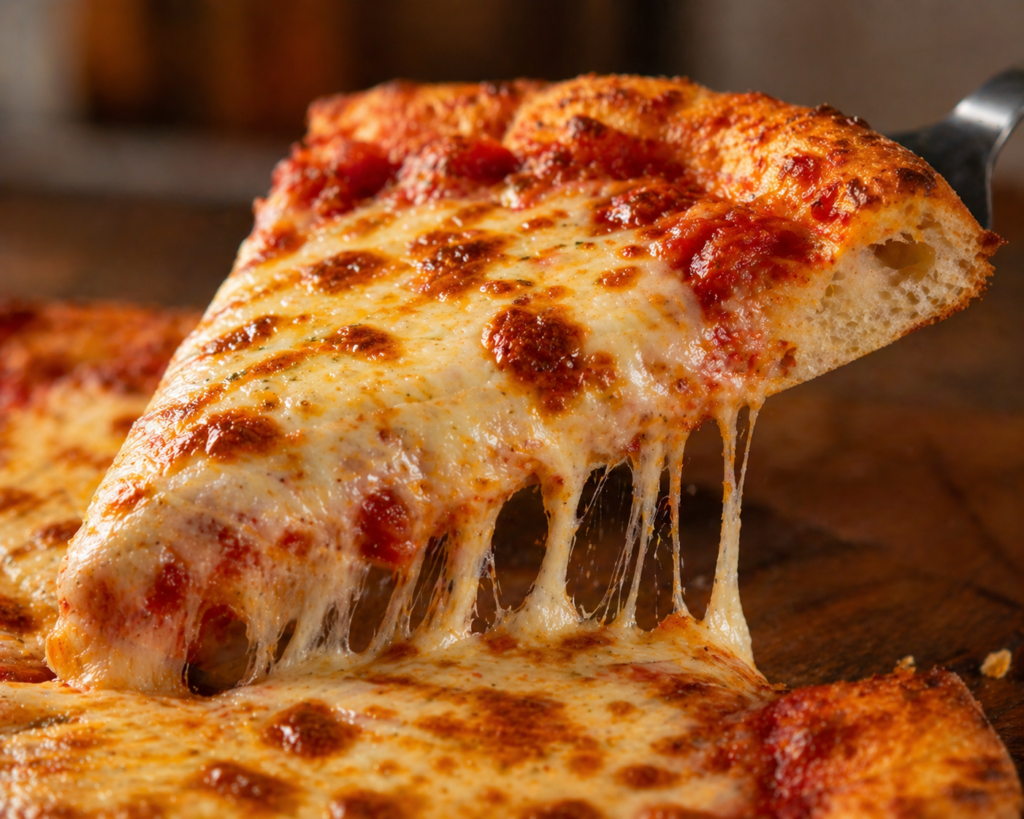
American pizza has a story that is bigger than one city or one recipe. It grew into its own identity through immigrant hands, neighborhood pizzerias, family tables, and late-night slices after long days. It took inspiration from Italian roots, then became something distinctly its own: often thicker, cheesier, more generous, and designed for sharing. That is what I find beautiful about it. It is not trying to be minimal. It is not trying to be quiet. It is honest comfort food, built for hunger, gatherings, and the simple joy of pulling a hot slice apart and watching the cheese stretch.
Every time I make it, I feel that same little thrill I felt the first time. I love how the dough changes under my hands, how the sauce turns bright and concentrated on the stove, and how the kitchen starts to smell like a proper pizzeria just before the pizza comes out of the oven. There is a certain magic to it: the crisp edge of the crust, the bubbling cheese, the sweet-tangy tomato base, the faint herbal finish of oregano and basil. It is the kind of recipe that turns an ordinary night into something people remember.
Why This Recipe Works
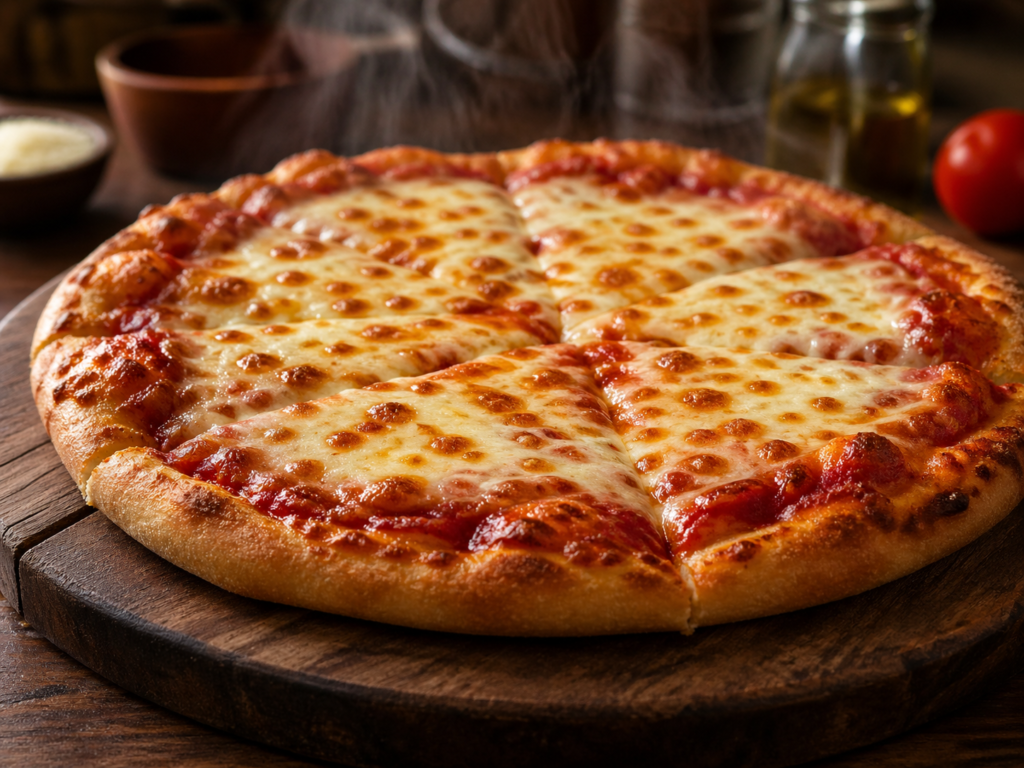
What makes pizza america so satisfying is the balance. The dough needs enough structure to hold the toppings, but not so much that it becomes heavy. A little sugar helps the crust brown beautifully, while oil gives it tenderness and a soft bite. The yeast creates that airy lift that makes each slice feel substantial but still light enough to keep eating.
The sauce matters just as much. A good pizza sauce is not watery and does not try too hard. It should taste bright, slightly sweet, and a little tangy so it cuts through the richness of the cheese. That contrast is what keeps the whole pizza from feeling flat. And cheese? American-style pizza usually leans into generous mozzarella because it melts smoothly, stretches beautifully, and brings that classic creamy finish everyone expects.
The baking temperature is just as important as the ingredients. A hot oven helps the crust puff, the sauce concentrate, and the cheese blister in the best way. That high heat is what gives you that pizzeria-style result at home. My secret is to avoid overloading the pizza with toppings. Too much moisture can weigh the crust down, and the magic of this pizza is in how the layers come together without fighting each other.
Ingredients
For the dough
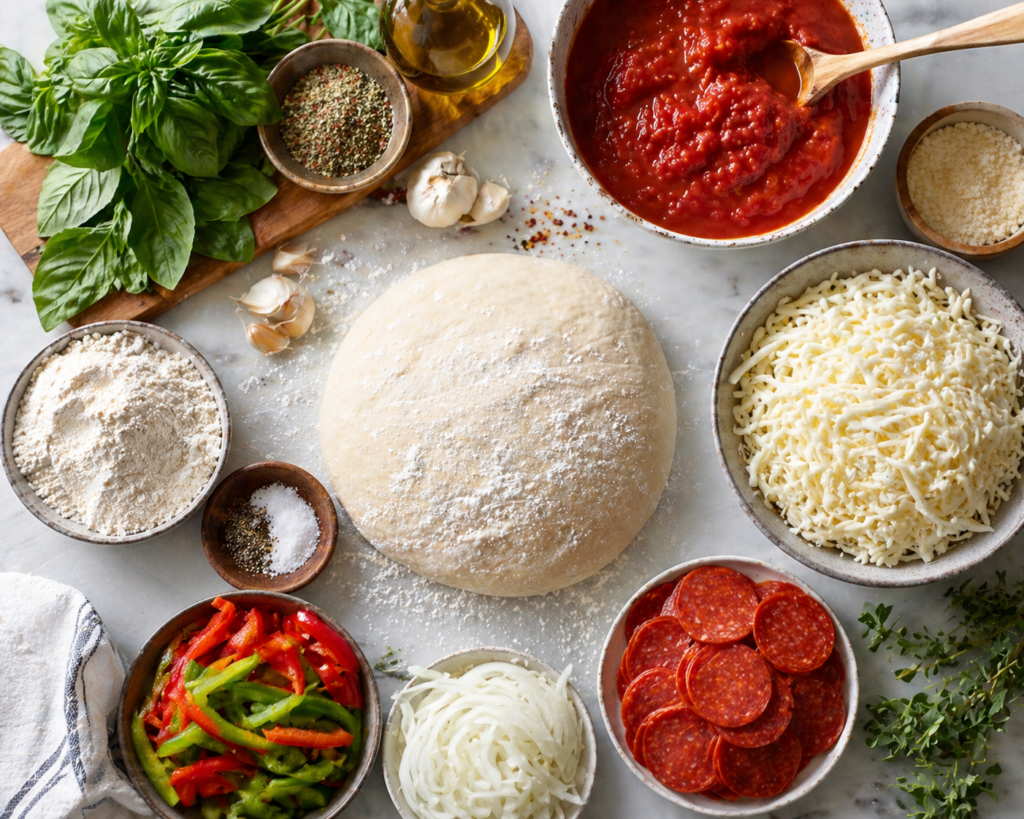
- 3 1/2 cups all-purpose flour — preferably spooned and leveled
- 1 packet active dry yeast — fresh yeast gives the best rise
- 1 1/4 cups warm water — warm, not hot
- 1 tablespoon sugar — helps activate the yeast and browning
- 2 tablespoons olive oil — for softness and flavor
- 1 teaspoon salt — to balance the dough
For the sauce
- 1 1/2 cups crushed tomatoes — use good-quality tomatoes if possible
- 2 cloves garlic, minced — for a deeper savory base
- 1 tablespoon olive oil — to mellow the garlic
- 1 teaspoon dried oregano — classic pizza aroma
- 1/2 teaspoon dried basil — adds a sweet herbal note
- 1/2 teaspoon sugar — optional, if the tomatoes taste sharp
- Salt and black pepper — to taste
For the toppings
- 2 to 3 cups shredded mozzarella — preferably low-moisture for better melting
- 1/2 cup sliced pepperoni — optional, for a classic American touch
- 1/2 cup sliced onions — for a little sweetness
- 1/2 cup bell peppers — for color and freshness
- 1/4 cup grated Parmesan — for extra savoriness
The Method
Start with the dough, because good pizza always begins there. I like to dissolve the sugar in warm water, stir in the yeast, and let it sit until it looks foamy and alive. That little bloom tells you the yeast is active and ready. Then I add the flour, salt, and olive oil, mixing until a rough dough forms. At first it always looks a bit messy, and that is exactly how it should look. Turn it out onto a floured surface and knead until it becomes smooth and elastic. Watch out for adding too much flour too early; a slightly tacky dough usually bakes better than a dry one.
Once the dough is ready, place it in a lightly oiled bowl, cover it, and let it rise until doubled. This is the quiet part of the recipe, but it matters more than people think. During the rise, the dough develops flavor and that soft, airy texture we want in every bite. While it rests, make the sauce. Warm olive oil in a pan, gently cook the garlic until fragrant, then add the crushed tomatoes, oregano, basil, salt, pepper, and a touch of sugar if needed. Let it simmer just long enough to thicken slightly. Watch out for boiling it too hard; a calm simmer keeps the sauce bright and balanced.
When the dough is ready, punch it down gently and roll or stretch it out on a pizza pan or baking tray. If you like a thicker American-style crust, leave the edges a little fuller. Spread the sauce in a thin, even layer, then add the mozzarella. Be generous, but do not drown the base. After that, scatter on your toppings. I always remind myself not to go overboard here. Too many toppings can make the center soggy and prevent the crust from crisping properly.
Bake in a very hot oven until the crust is golden and the cheese is bubbling with those irresistible browned spots. If you have a pizza stone or steel, even better. They help recreate that high-heat bakery feel at home. Once the pizza comes out, let it rest for a couple of minutes before slicing. I know that waiting is hard, but it helps the cheese settle just enough so every slice holds together beautifully.
The Flavor Profile
A good pizza america tastes layered and comforting. The first thing you notice is the savory richness of the cheese, followed by the bright tomato tang underneath. The crust should be soft in the center with a gentle chew and lightly crisp at the edges. If you added pepperoni, you will get a smoky, salty punch that melts into the cheese. The oregano and basil bring that familiar pizzeria aroma, while the olive oil adds a round, satisfying finish.
It should never taste greasy in a heavy way. Instead, it should feel balanced: salty, tangy, creamy, toasty, and deeply comforting all at once. The best bites have a little bit of everything — sauce, cheese, crust, and topping together.
Variations & Storage
If you like a little heat, add red pepper flakes to the sauce or sprinkle them over the top before baking. For a meat lover’s version, pepperoni, sausage, and bacon all work beautifully. If you prefer a lighter pizza, use mushrooms, onions, spinach, and bell peppers for a more colorful, vegetable-forward version. You can even turn it into a white pizza by skipping the tomato sauce and using garlic oil, ricotta, and mozzarella instead.
Leftovers keep well in the fridge for up to 3 days, wrapped tightly or stored in an airtight container. I actually love reheating a slice in a skillet because it brings the crust back to life. The bottom gets crisp again while the cheese softens just enough. The oven works too, especially if you want to reheat several slices at once. Freezing is possible as well: wrap slices individually and reheat from frozen in the oven for a quick meal later.
Final Note
For me, pizza america is not just food. It is the smell of a warm kitchen, the comfort of a shared table, and the joy of something simple made with care. Every time I bake one, I am reminded that the best recipes are the ones that welcome people in. This is the kind of pizza that makes a regular evening feel a little special, and I think that is exactly why I keep coming back to it.